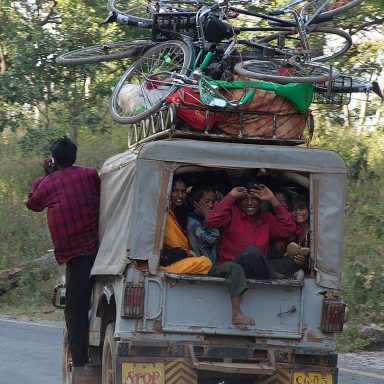
Understanding Transportation Needs
Enhancing Access for a Thriving Community
The Koronadal Indigenous People Group recognizes that effective transportation is essential for the prosperity of our community. From the agricultural cooperative to the fishing camps, reliable transportation allows us to connect with vital markets and access resources that are necessary for both economic development and community welfare.
Our members face numerous challenges related to transportation. The geographic layout of our region can hinder movement, making it difficult to transport goods to local markets and access services that can uplift our community. By addressing these transportation needs, we can improve the flow of goods and services, ultimately enhancing the livelihoods of all members of our organization.
Moreover, a strong transportation network is critical for reaching our food bank and fishing operations efficiently. Ensuring that our local farmers and fishermen can bring their products to market promptly not only boosts their income but also secures fresh food supply for local families. As we understand and address our transportation needs, we lay the groundwork for a more sustainable and resilient future for the Koronadal Indigenous People.
Transportation Challenges Gallery
View a selection of images highlighting the transportation challenges faced by the Koronadal Indigenous People. These visuals illustrate the current state of transportation infrastructure and its impact on daily life. The images depict various aspects of transportation faced by our community, including limited access to reliable vehicles, damaged roadways, and the difficulties encountered in transporting goods for our agricultural and fishing endeavors. By understanding these challenges through visual representation, we can foster greater awareness and drive efforts to improve the essential transportation services needed to support our members' livelihoods and overall well-being.


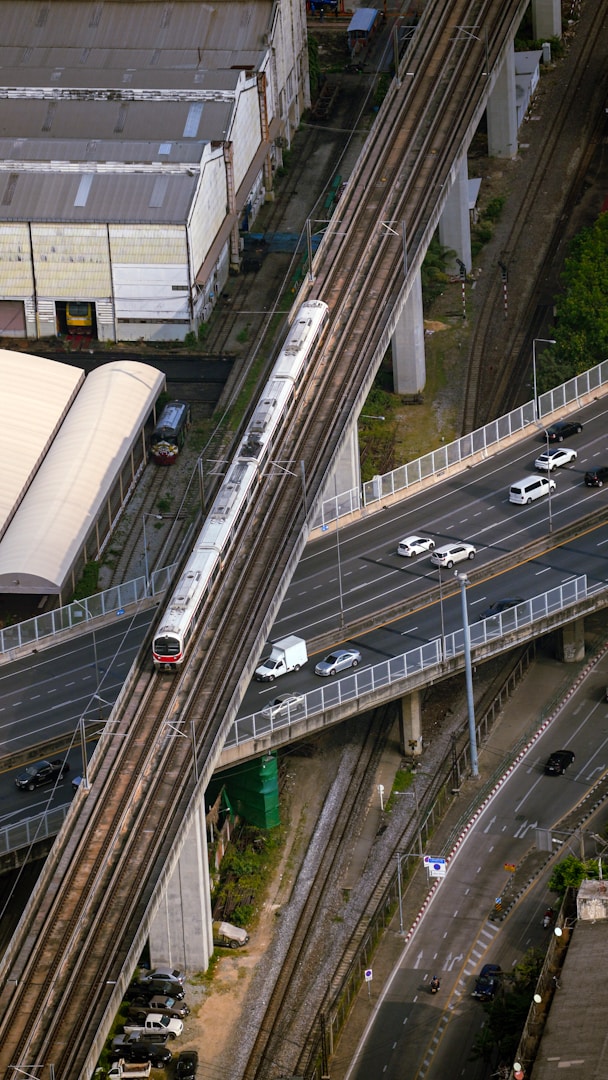
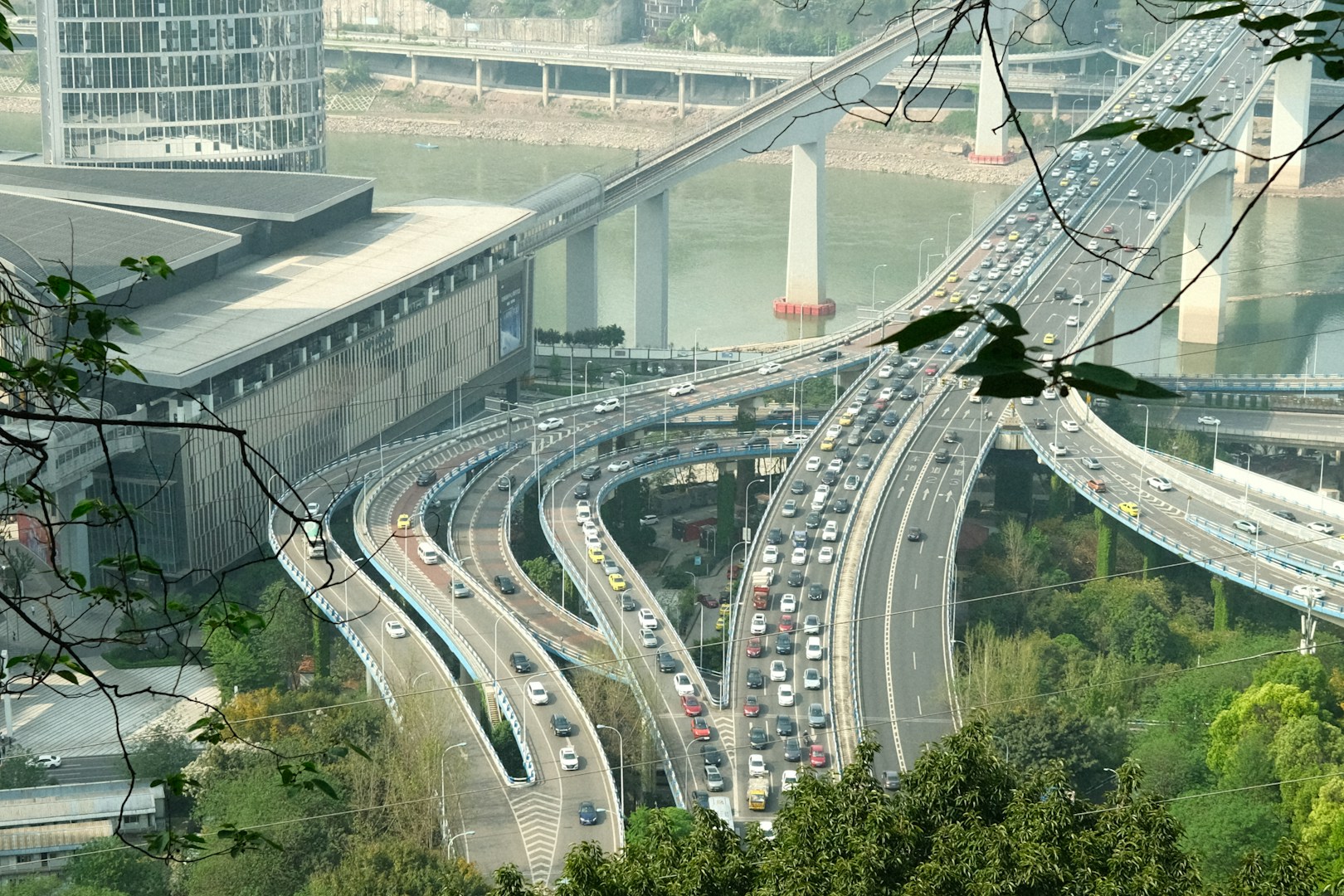
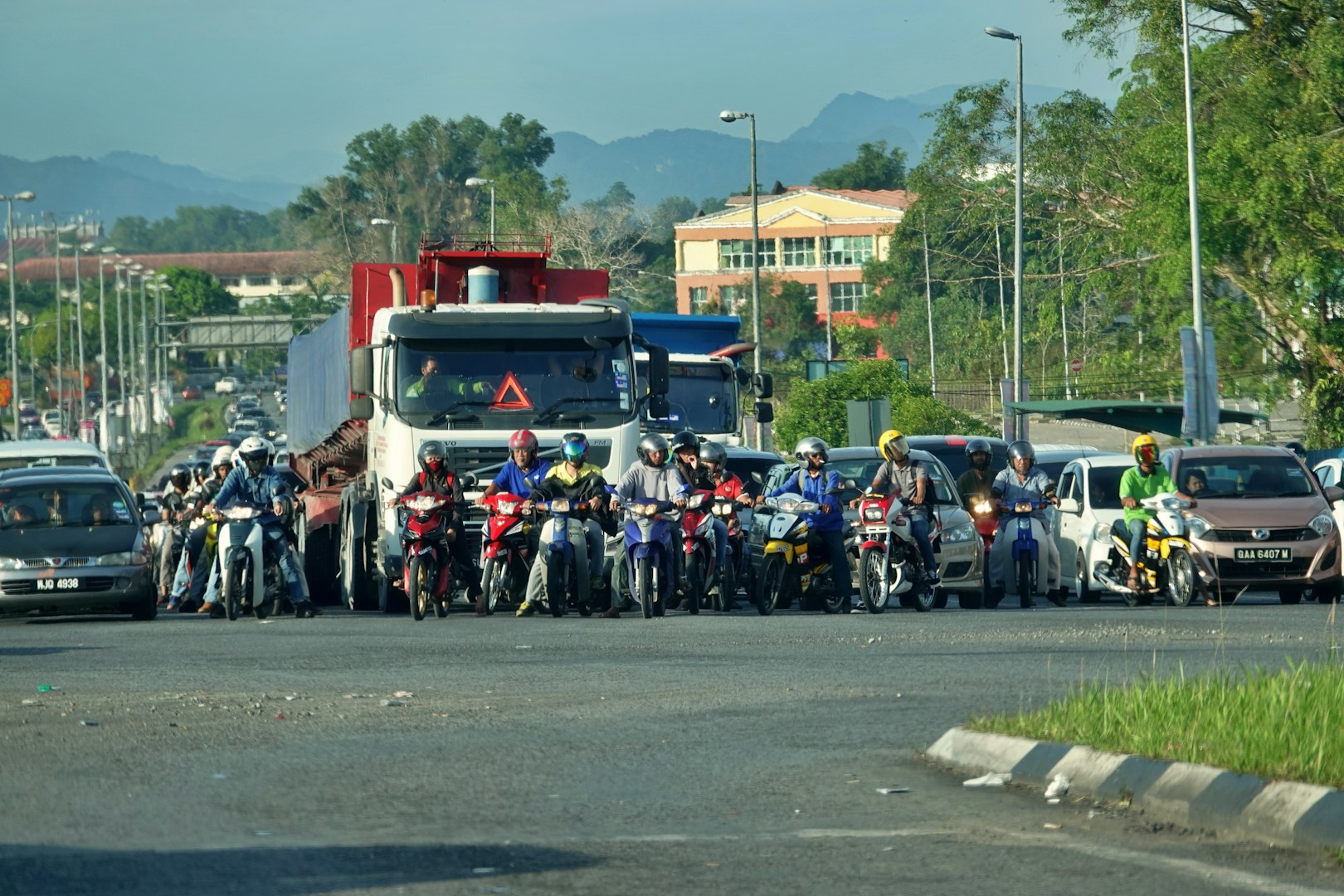
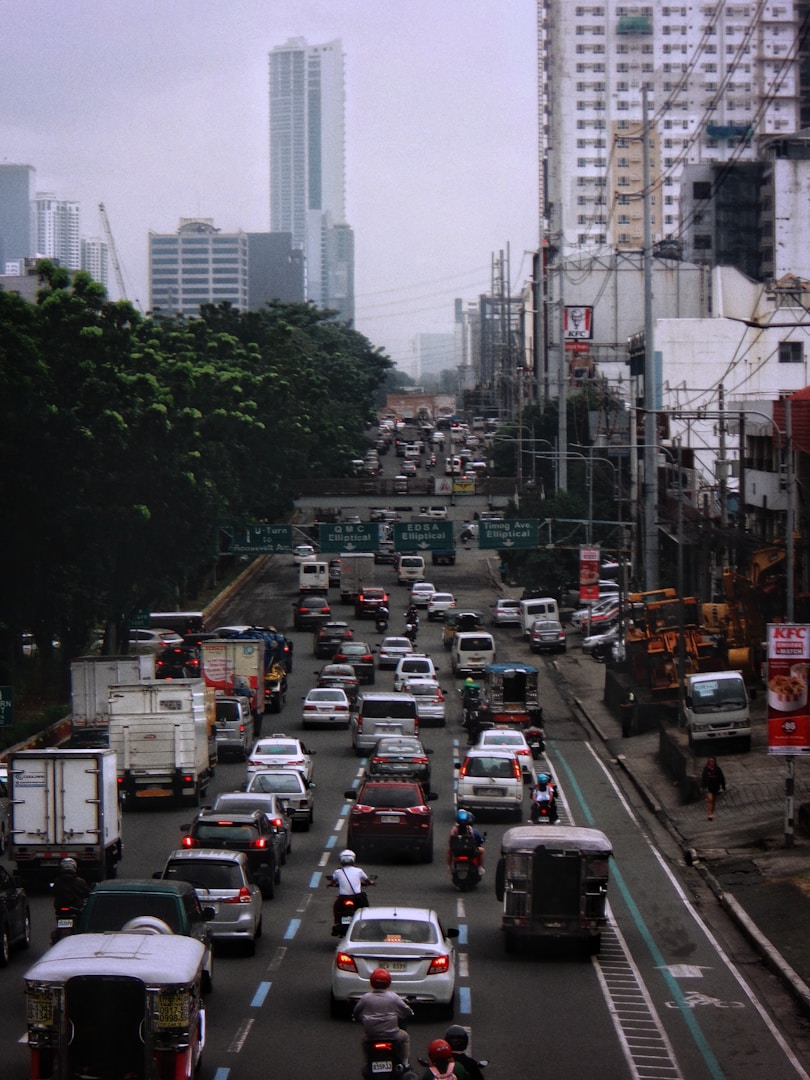

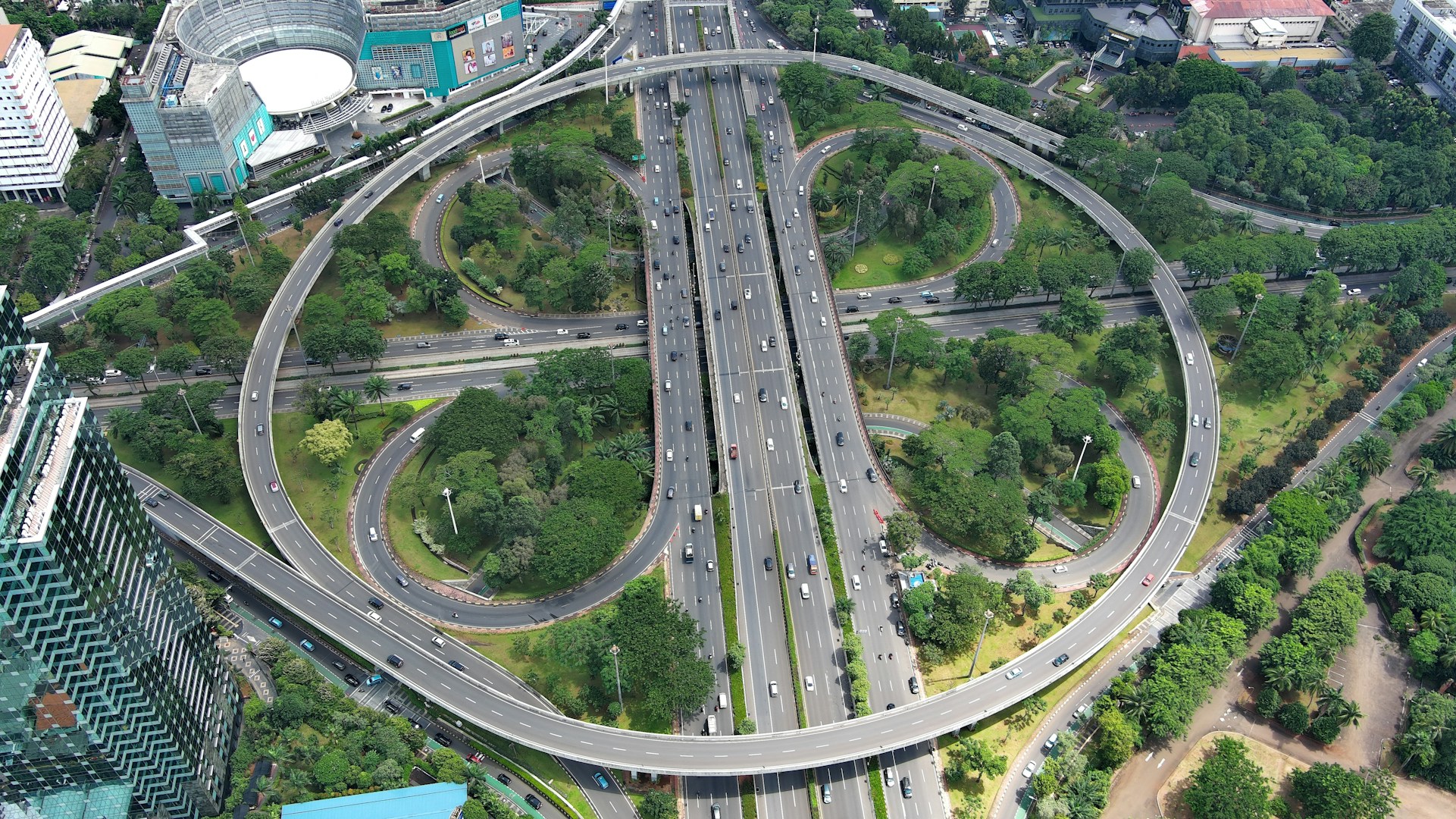
Navigating Challenges: Transportation Issues Facing the Koronadal Indigenous People
In Beaumont, the Koronadal Indigenous People Group grapples with significant transportation challenges that directly impact their access to essential markets. Insufficient transportation infrastructure not only affects the mobility of community members but also hinders the efficient distribution of agricultural products and fishing yields. This lack of reliable transport options ultimately results in limited access to fresh produce and fish, leading to increased prices and reduced availability for local consumers. As a non-profit organization dedicated to supporting the agricultural cooperative and fishing activities of the community, we recognize that addressing these transportation issues is paramount to fostering sustainable practices and ensuring food security.
Access to Markets: A Growing Concern
The Koronadal Indigenous People rely heavily on local markets to sell their agricultural goods and fish products. However, inadequate roads and transportation options restrict their ability to reach these vital marketplaces. The situation is exacerbated during inclement weather, when pathways become impassable, further isolating local farmers and fishers from potential buyers. Enhancing transportation networks is essential to improve market access, which can lead to better prices for their high-quality products, thereby supporting local economies.
Impact on Agricultural Practices
Transportation issues have a ripple effect on the agricultural practices of the Koronadal Indigenous People. Farmers often face delays in getting their produce to market, resulting in spoilage and waste. When products cannot reach consumers in a timely manner, it discourages farmers from investing in crops that require prompt delivery. Sustainable agricultural practices thus become challenging to implement, and community members may find themselves relying on less desirable food sources that do not support their health or livelihoods.
Challenges in Fishing Activities
Fishing is a vital activity for the Koronadal Indigenous community, providing both sustenance and income. However, transportation barriers restrict their ability to bring fresh catches to market efficiently. The lack of adequate vessels or transportation options can also limit fishing expeditions to within close proximity of the shore. Such constraints hinder the potential for profit and impact the overall viability of local fishing practices, creating a cycle of limited income and diminished food supply.
Toward Sustainable Solutions: The Way Forward
Addressing transportation issues is crucial for the future sustainability of the Koronadal Indigenous People’s agricultural and fishing endeavors. Collaborating with local government, community organizations, and other stakeholders can foster the development of robust transportation plans. Implementing solutions such as improving road quality, providing better access to fishing vessels, and enhancing logistical support can revolutionize access to markets. As we work together to overcome these transportation hurdles, we can bolster the resilience and prosperity of the Koronadal Indigenous community.
Unlocking Opportunities: The Benefits of Improved Transportation
The Koronadal Indigenous People Group recognizes that improved transportation is not merely a logistical enhancement, but a vital catalyst for growth and sustainability within our community. By enhancing transportation networks, we open the doors to better access to vital resources such as fish and vegetable markets, thereby fostering economic development and providing reliable routes for community engagement.
Enhanced Market Access
Connecting Community to Commerce
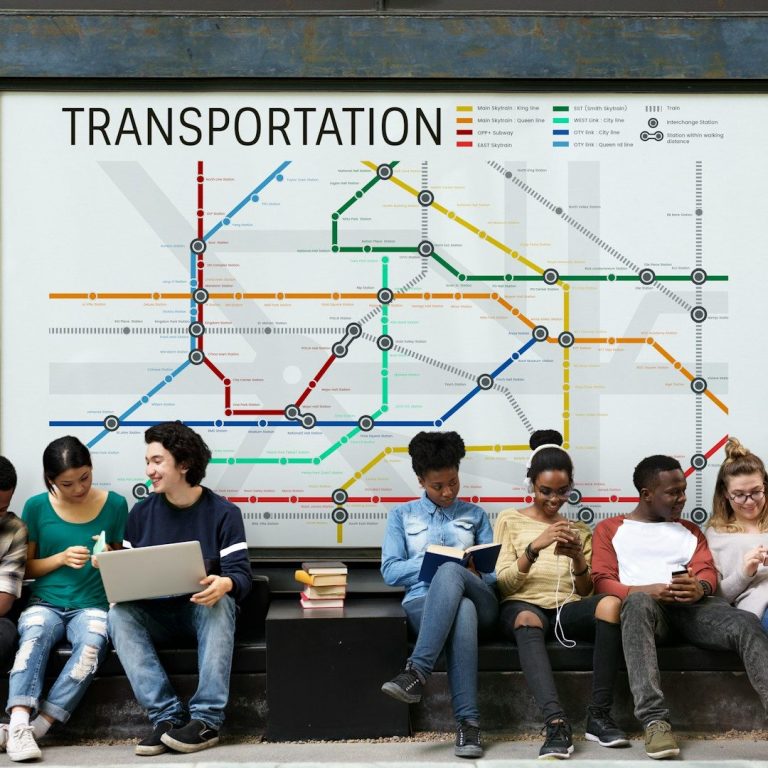
Improved transportation infrastructure enables our community to reach fish and vegetable markets more efficiently. This access not only helps local farmers and fishermen sell their produce but also ensures that community members have reliable access to fresh food. Efficient logistics can reduce spoilage and increase sales revenue for vendors.
Strengthened Economic Opportunities
Driving Growth in Agriculture and Fisheries
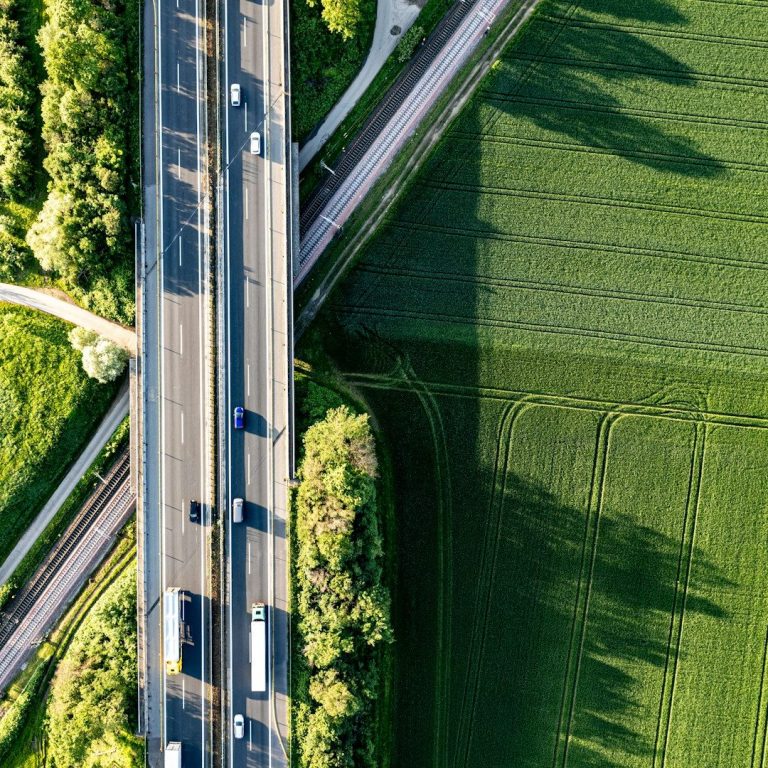
With better transportation, the Koronadal Indigenous community can expand its agricultural endeavors and increase production. Easier access to suppliers and buyers simplifies the logistics of farming and fishing operations, enhancing profitability and allowing for sustainable practices that benefit the environment and the community.

Facilitating Community Services
Supporting Social Enterprises and Initiatives
Improved transportation supports not only economic activities but also critical services. The Koronadal Indigenous People Group can enhance access to food banks and social initiatives, ensuring that all community members receive the support they need. This fosters a more resilient community where everyone can thrive.

Non-Profit Impact
Bridging Gaps in the Community
Transportation advancements play a crucial role in the operations of non-profits within our community. By improving mobility, organizations can better serve their missions, from delivering fresh produce from the farm to the food bank to providing transportation for community workshops and services. Every improvement reinforces the backbone of support within the Koronadal Indigenous community.
Voices of Change:
Community Testimonials
At the Koronadal Indigenous People Group, we prioritize the voices of our community members. Hear firsthand accounts from those who depend on transportation for their daily activities, emphasizing the challenges they face and the profound impact that improvements could have on their lives. From farmers needing reliable transport for their produce to families accessing food banks and medical services, our community’s stories reveal the urgent need for enhanced transportation solutions. Join us as we advocate for sustainable changes that not only ease the burden of travel but also foster community development, ensuring that every member can thrive.